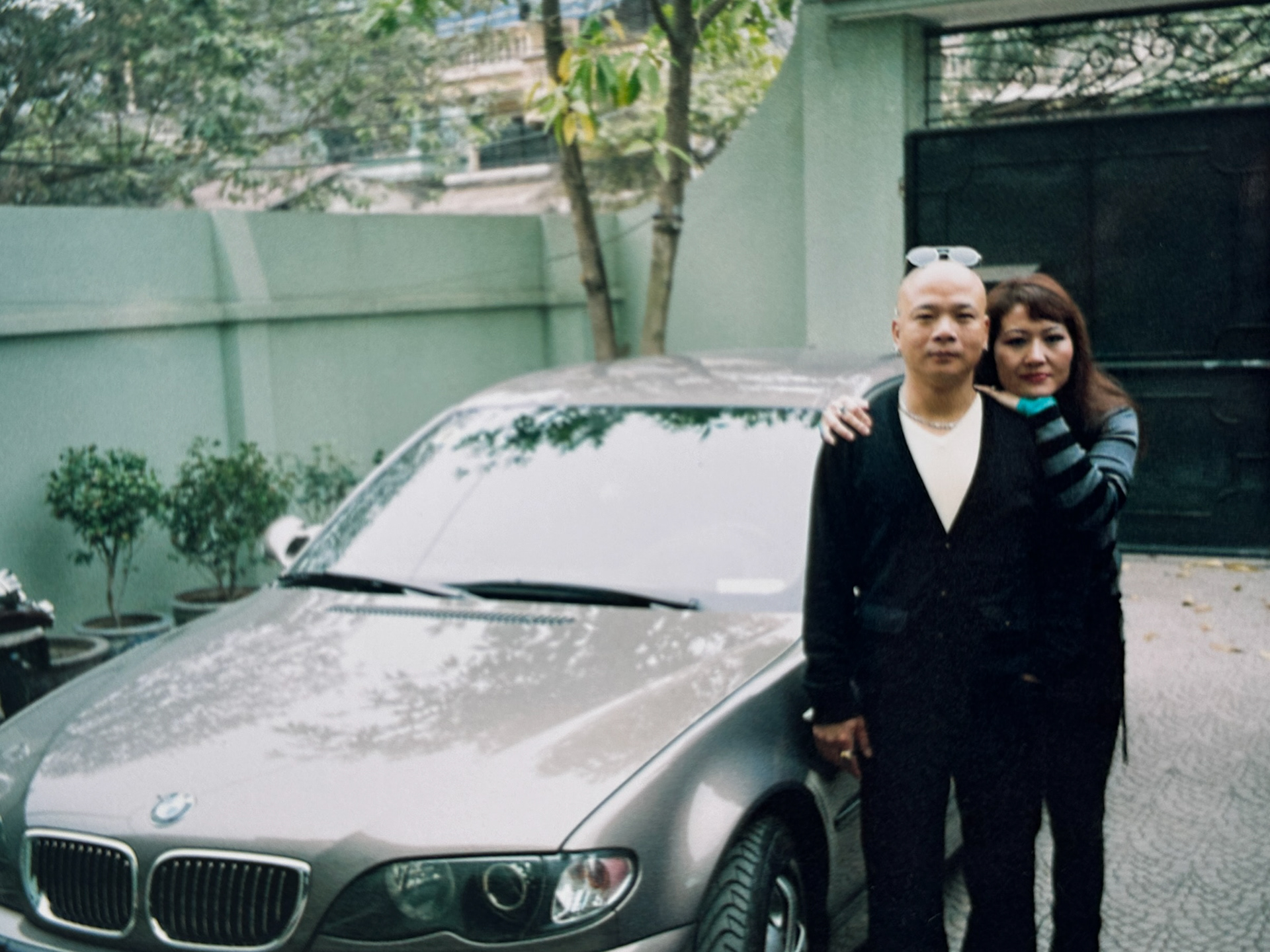
"Action is motivated by what's inside. So when we look at the exterior, it tells us something about its creator and the being within."
What we wear tells us about where we have been, where we are going, what life means to us and how we present ourselves to the world. My parents already had their own sense of style way before I was born. They had a whole life that I didn't know about until I found old photo albums of them, learned about their stories, especially the challenges of not conforming to tradition. Both my parents had a difficult upbringing, like most Vietnamese people born in the 60's, and rebellion was one of the ways of finding their own identity. Rebellion was fuelled by their refusal to conform to traditional values and staying silent on matters that they knew was wrong was not an option. Wearing clothes like rugged denim, loose shirts, leather jacket and boots was a physical representation that one finds their own path and set of values.
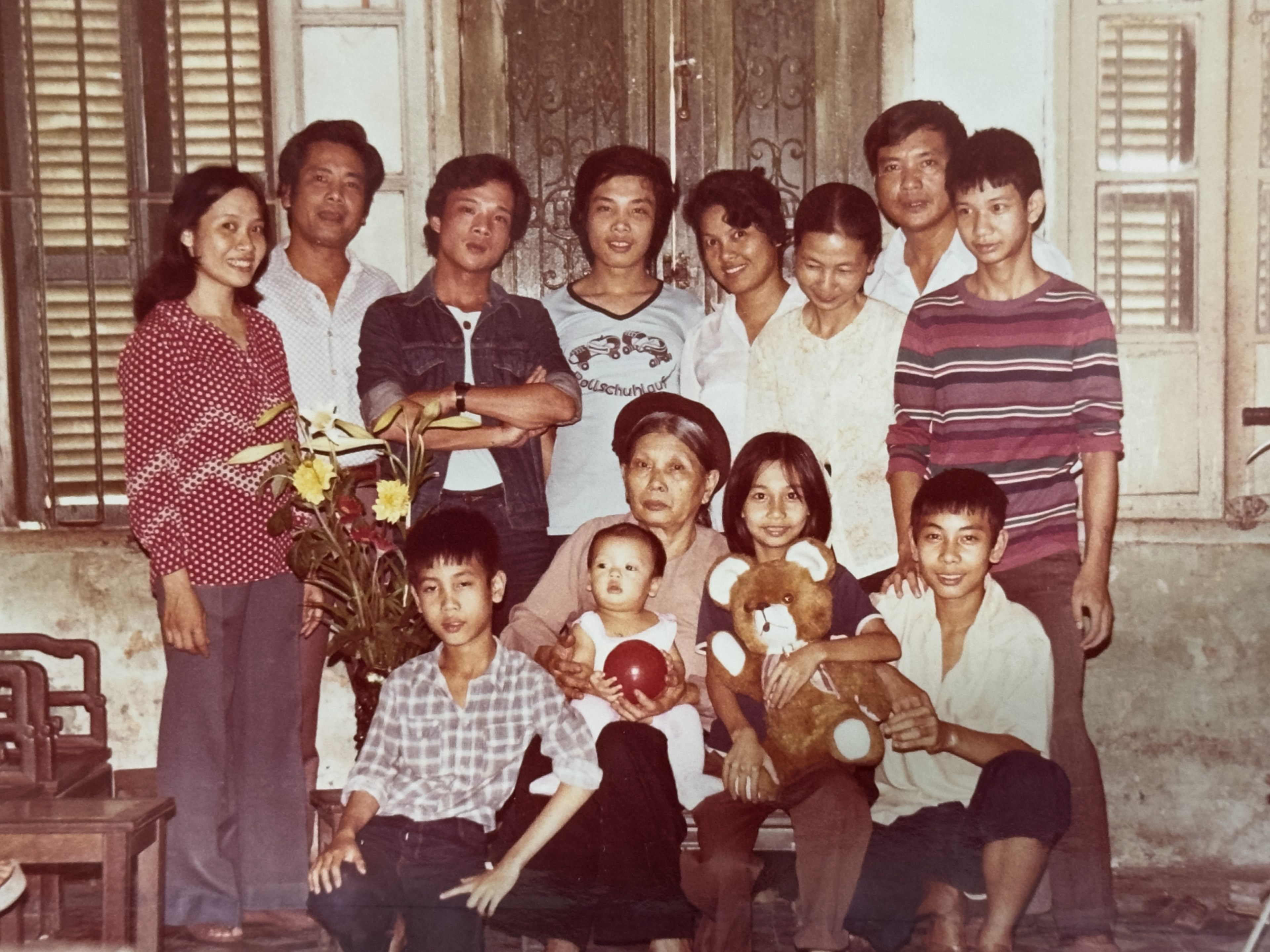
My father in the 70s wearing full denim
"I remember the smell of factory and sounds of clicking of button hole machines, loud hiss from the iron steams..."
My parents lived in the UK from the mid '80s and worked in various jobs to make ends meet. Cleaning hotels, car showrooms and washing dishes in Chinatown restaurants. led to working in clothing manufacturing. Many Vietnamese people newly settled in UK had a sewing machine in their home, making garments and was paid per garment. In an old, red Toyota red van, my father went around homes, including my mother and grandmother's, collecting garments back to the small factory located on Mare Street in Hackney (North East London) where most Vietnamese people resided and had local businesses. Clothing manufacturing was a common industry and manual labour was still around in the UK at that time.
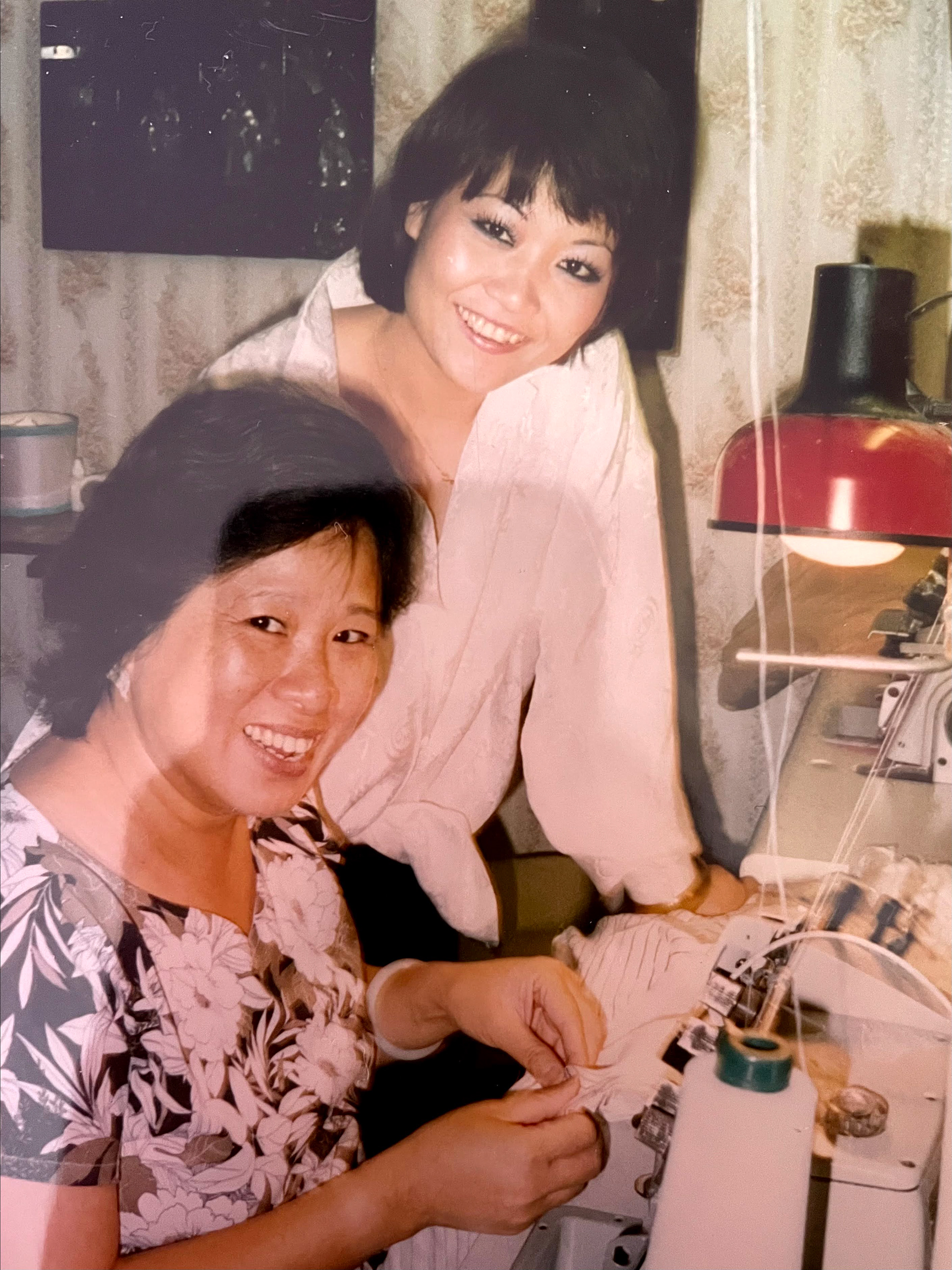
My grandmother with her home sewing machine. My mother beside her.
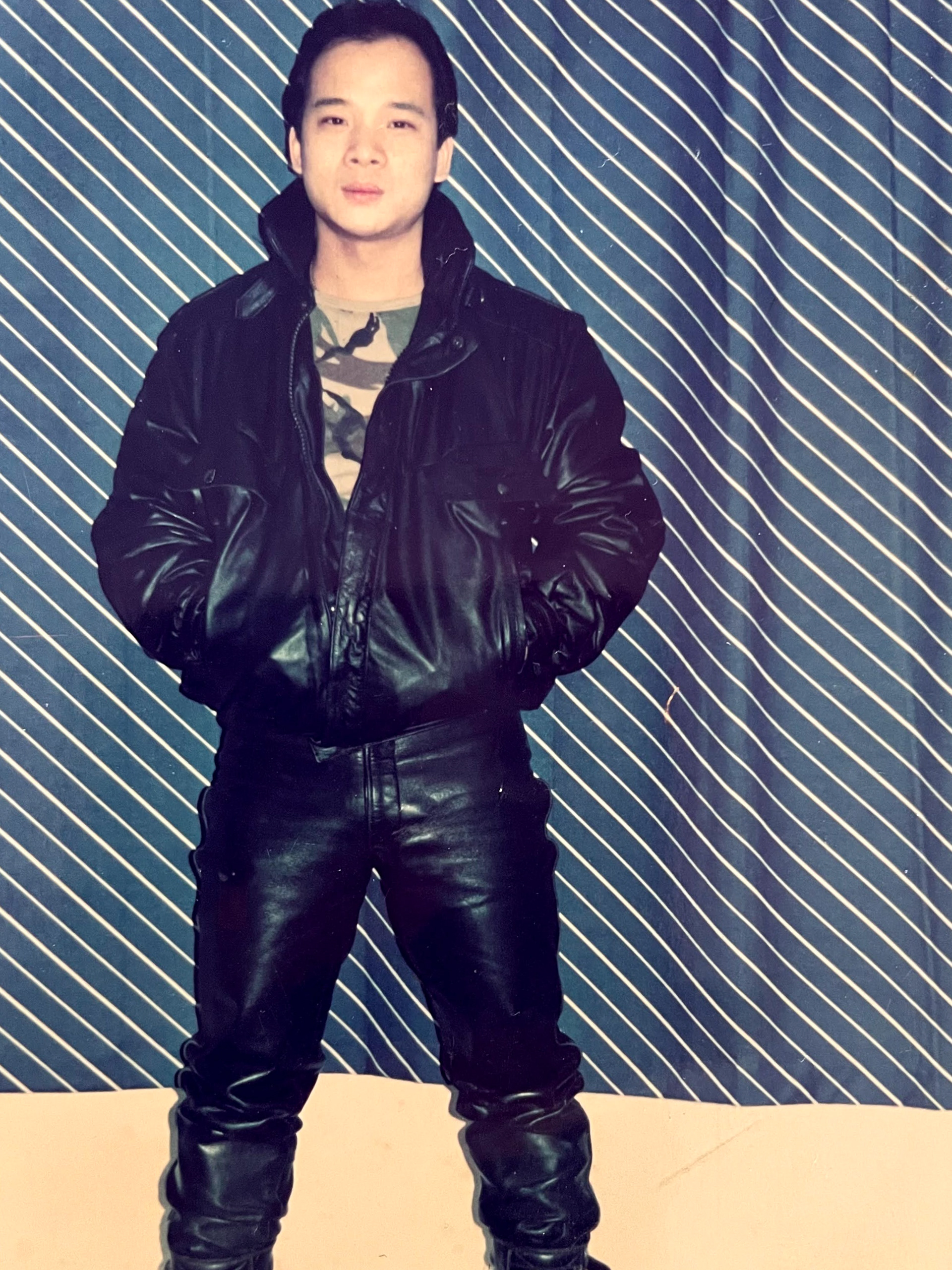
My father in full leather biker gear
Throughout my childhood, me and my sister spent afterschool at my parent's factory. They had their own business with about 20-25 staff, most whom were also Vietnamese (I called them aunts and uncles). I remember the smell of factory and sounds of clicking of button hole machines, loud hiss from the iron steams, rolling wheels as rails full of clothes were moved to the packing area, and background chatter of my mum, aunts and uncles. It never occurred to me the extreme length of time and effort by countless hands to make a single garment, not to mention the planning and design before it reaches the factory to be made until I shadowed my father in my late teens and early 20's. By then, my father moved his clothing manufacturing business to Vietnam.
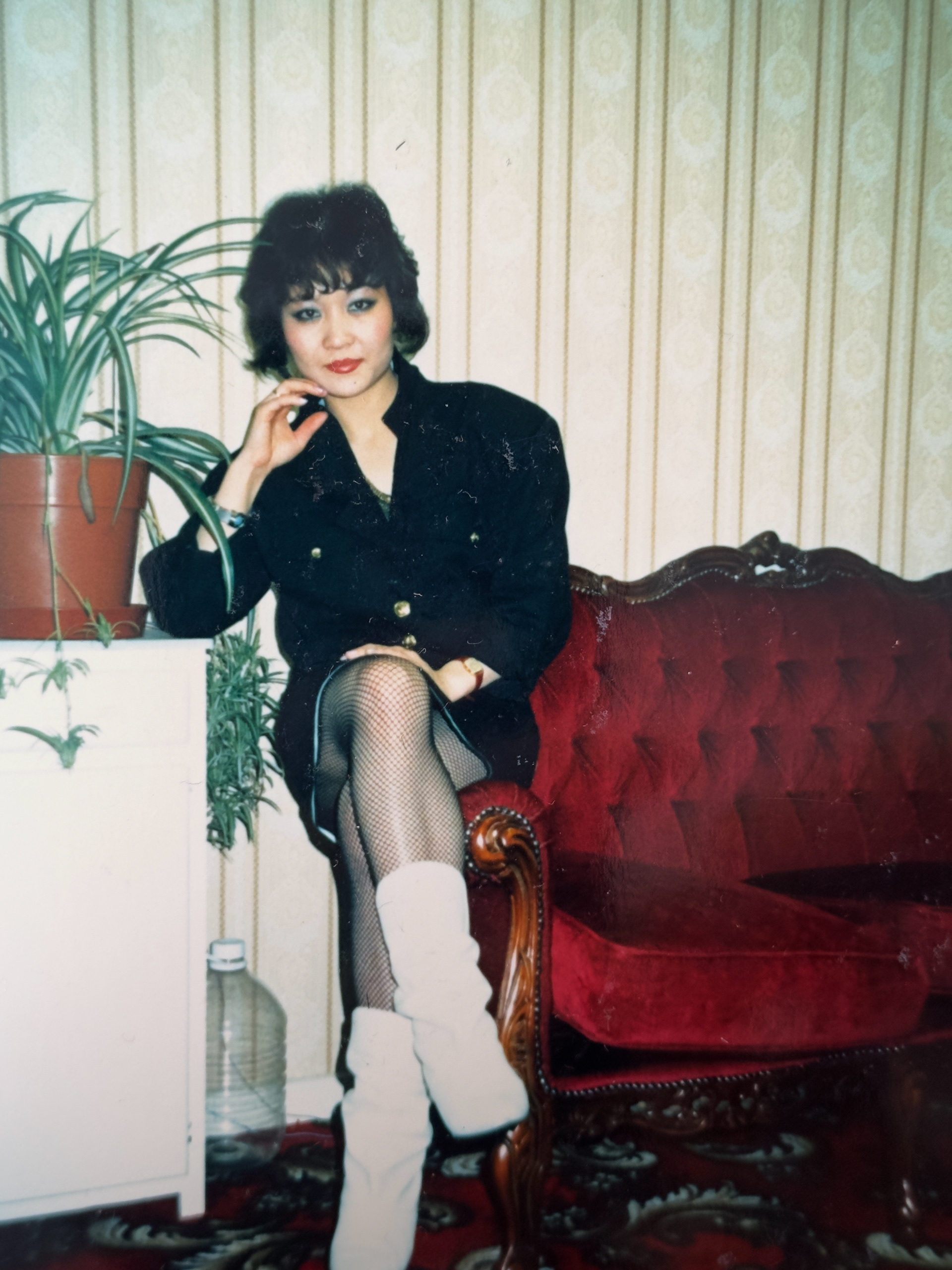
My mother's staple outfits during the 80s
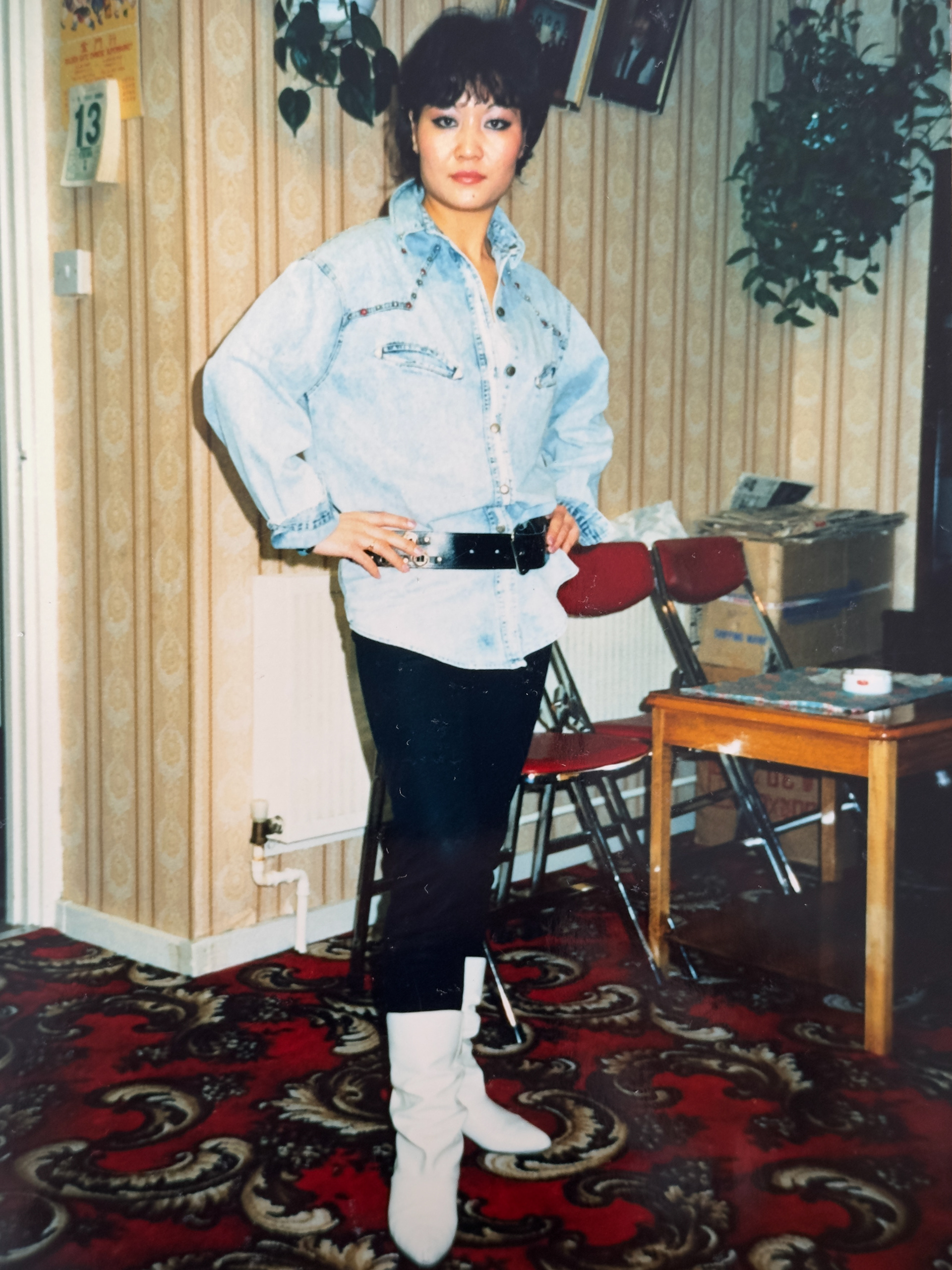
Even before migrating to the UK, my mother's determination to stand for her own values translated through her style. Even rocking a tomboy-ish fashion sense which was not deemed the 'norm' amongst traditional Vietnamese culture
"With keen eye for details, young workers leaned in and adopted a lot of his methods."
The factory was located in Hung Yen province, just 50 to 60km from Hanoi, and every day during summer holidays when I stayed with my father, he drove us to work. Sometimes, we travelled across different provinces to other factories he partnered with to check garment quality. Because orders were much larger, my father distributed the order to 2-3 other factories including his own to manage the volume. His factory had around 200 workers, while other factories were significantly bigger and had more workers for other orders. I remember stepping into the factories and seeing the sheer number of people sewing garments. When I followed my father, he didn't look at the garments in their final stage. Instead, he would go straight to the assembly line and see how one or several workers sewed, pressed and ironed his garments. Many times, he would demonstrate the workers methods he himself was taught back when worked the same roles in British factories during his 20's. With keen eye for details, younger workers leaned in and adopted a lot of his methods. What I appreciated and quickly adopted in my own doctrine after observing my father was 'lead by example'.
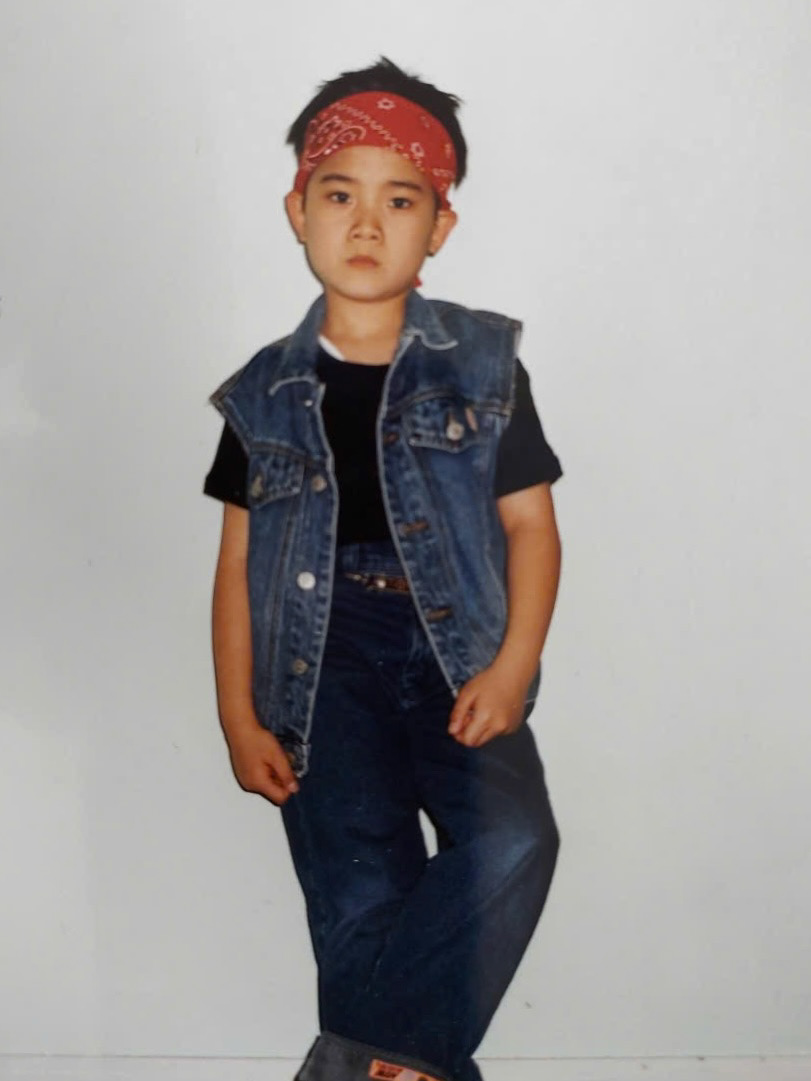
My mother loved dressing up me and my sister. Denim was the common choice
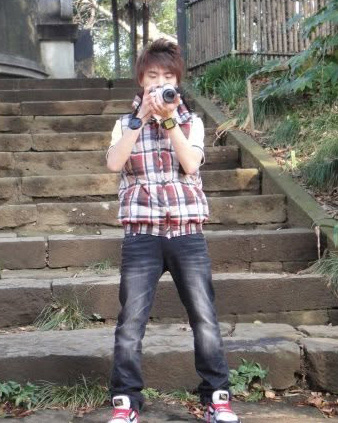
Japan 2008. Heavily influenced by Japanese and Korean music during the school years

Between 2011 to 2018, I worked in IT and adopted the office attire. I tied my identity to my job. After I left, I donated all my shirts, trousers and shoes.
"IT [Manufacturing clothes] requires human craft, ideas and labour to make."
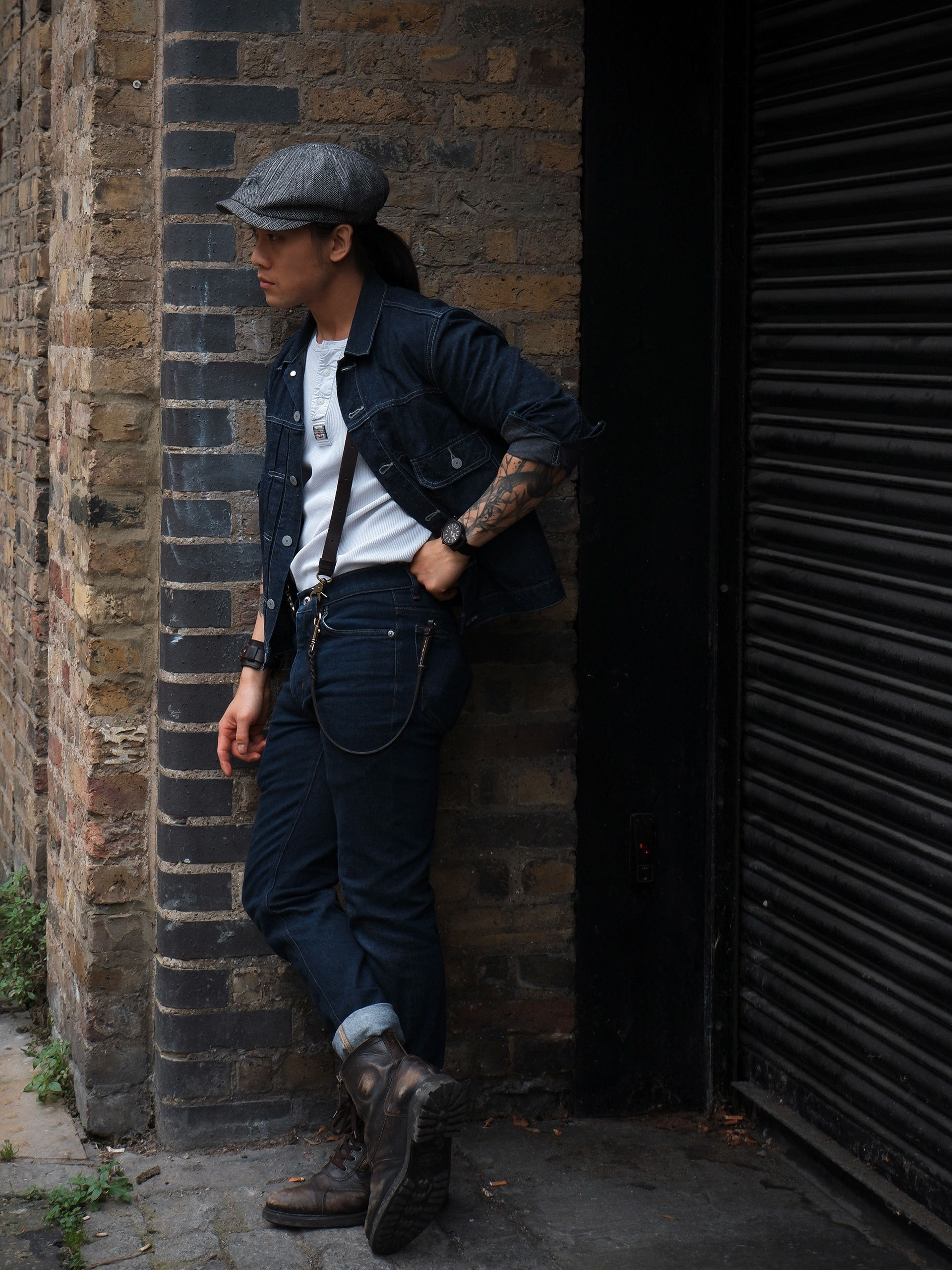
When I reached 30 years of age, I recognised my desire for old aged, vintage, rugged clothing choices were not accidental or coincidence. Witnessing how much goes into making clothes, regardless of whether it is a high street, mass market brand or small, limited, quality-focused independent brands, it requires human craft, ideas and labour to make. Whilst we live in an age where machines, technology and convenience are abundant and makes it 'easier' to manufacture, it doesn't mean that the product is any less valuable. And I think we sometimes forget the root of where things are made, how long it takes to make a genuine idea become tangible and, importantly, the person or persons behind the manufacturing of the thing itself. A lot of my buying decisions are based on the following questions -
1. Do I really want this or is it impulsive? (If a month or so has passed and I am still thinking about it, I'd seriously consider it. For vintage goods that are harder to come by, gut feelings tend to kick in quickly)
2. Who is the founder or maker? What is their story and principles?
3. Do I see myself wearing this for years to come?
4. What can I pair this with?
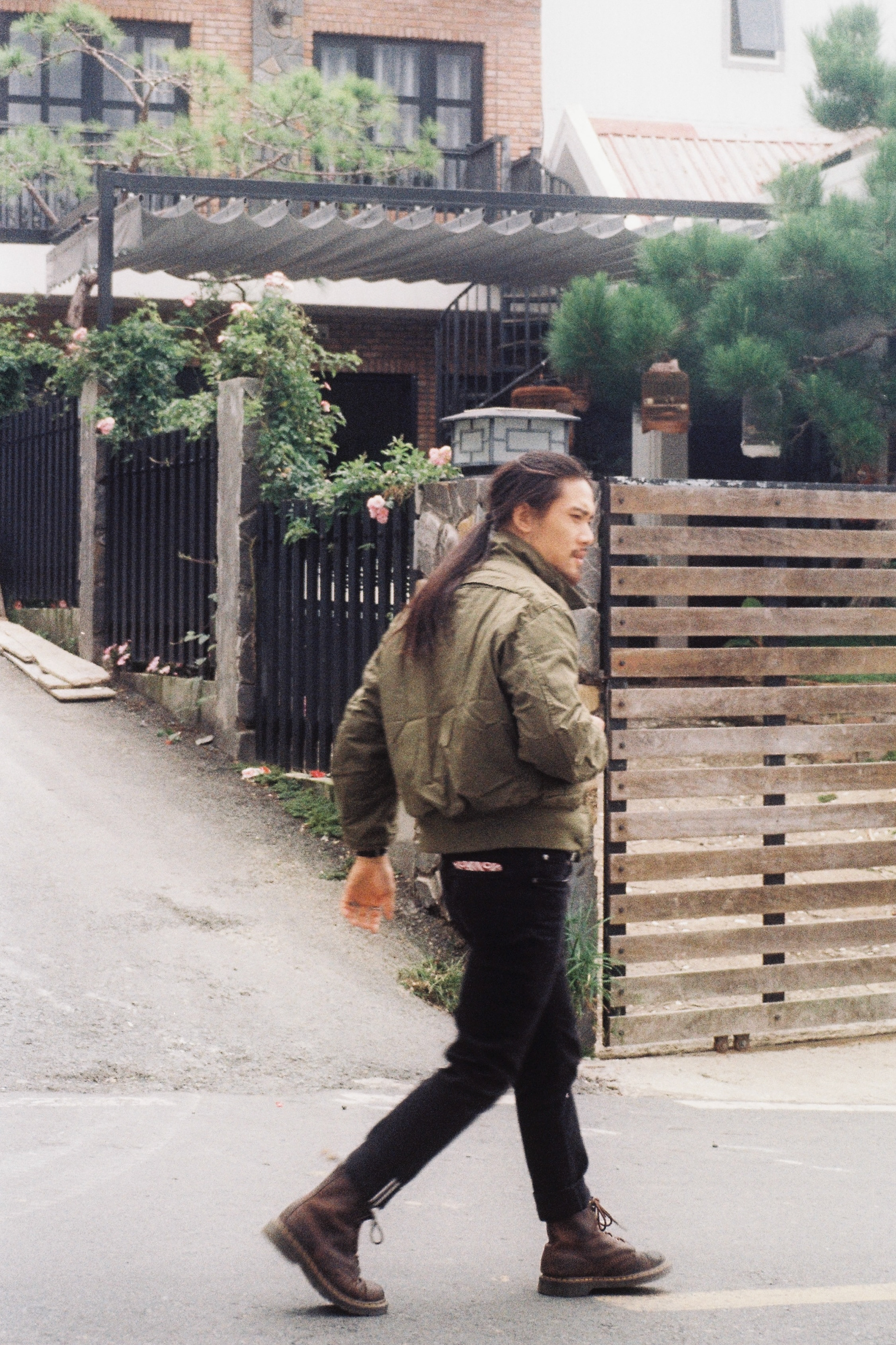
How I dress most of the time is a subtle nod of 'showing up for myself'. Spending money on particular garments knowing the answer to the four questions above is saying 'I am voting for substance, longevity, story, progress and intention.' Each fibre is a mark of where I have been, and caring for invaluable garments so that it can last my lifetime, much like the vintage Levi's ribbed henley tops from the 80s and 90s. For the past three years, I established a wardrobe or 'uniform' that I wear on almost every occasion. The staples include a henley short sleeve top (black or raw white), black selvedge denim jeans / carpenter pants, and a pair of brown leather boots. Accessories to add are a standard watch made of wood with a canvas strap for durability, three rings (one which was gifted by my partner), wooden bead bracelet gifted by my father, folded red 'fight the good fight' bandana in my back right pocket (also gifted by my partner) and a small, folded leather wallet with a worn brass chain.
"The greatest gift my parents gave me was living as an example of what authenticity and being unapologetically true to oneself look and feel like."
It has been a hell of a journey learning, listening and experiencing what it means to be true to myself. When I look back on old photos of the previous chapters of my life, I can somehow make sense of why I wanted to change to be where I am now. Early on, my parents never set expectations of who I should or shouldn't be, and this gave me the freedom to explore so I could understand who I wanted to become. They broke generational trauma of old age tradition that constricts and conforms. The greatest gift my parents gave me was living as an example of what authenticity and being unapologetically true to oneself look and feel like.